

Organic Fertilizers in Home Gardening: Building Healthy Soil for Healthy Plants

When gardening first became popular, people relied largely on materials that were readily available around them. Kitchen scraps, animal manure, compost, wood ash, and plant waste were commonly used to nourish plants.
Over time, gardening practices evolved, and chemical fertilizers became widely available. Their popularity grew because of their ability to promote faster growth and quickly address nutrient deficiencies.
While chemical fertilizers have their place in gardening, many home gardeners today are rediscovering the value of organic alternatives—not only for plant growth but also for long-term soil health.
Fast Growth vs Long-Term Soil Health
Chemical fertilizers provide nutrients in a readily available form, which means plants can absorb them quickly. This often results in faster growth and greener foliage.
However, when used heavily and continuously without adding organic matter, gardeners may notice long-term challenges such as:
Reduced microbial activity in the soil
Salt buildup around roots
Poor soil structure
Reduced organic matter content
Healthy soil is more than a container for roots. It is a living ecosystem filled with beneficial microorganisms that help plants access nutrients and resist stress.
Organic fertilizers help support that ecosystem.

Benefits of Organic Fertilizers in Home Gardening
1. They Improve Soil Health
Organic fertilizers add organic matter to the soil. Over time, this improves soil structure, water retention, and aeration.
2. They Support Beneficial Microbes
Healthy microbial activity helps break down nutrients and make them available to plants naturally.
3. They Release Nutrients Gradually
Unlike many synthetic fertilizers that deliver nutrients quickly, organic options release them more slowly, reducing the risk of overfeeding.
4. They Improve Water Retention
Soils enriched with compost and organic matter generally hold moisture more effectively.
5. They Contribute to Long-Term Garden Health
Organic gardening focuses on building soil quality over time rather than chasing rapid growth alone.
How Do We Replace Common Fertilizers with Organic Alternatives?
Urea (Nitrogen Source)
What it does:Promotes leafy growth and green foliage.
Organic alternatives:
Vermicompost
Well-rotted cow manure
Compost
Mustard cake fertilizer
DAP (Diammonium Phosphate)
What it does:Provides phosphorus for root development and flowering.
Organic alternatives:
Bone meal
Rock phosphate
Compost enriched with phosphorus-rich materials
Potash
What it does:Supports flowering, fruiting, and overall plant vigor.
Organic alternatives:
Banana peel compost
Wood ash (used carefully)
Compost
NPK Fertilizers
What they do:Provide nitrogen, phosphorus, and potassium together.
Organic alternatives:
Vermicompost
Homemade compost
Well-balanced organic manure blends
Micronutrient Mixes
What they do:Supply nutrients such as iron, zinc, magnesium, and manganese.
Organic alternatives:
Compost
Seaweed extracts
Diverse organic matter sources
Do You Need to Avoid Chemical Fertilizers Completely?
Not necessarily.
Many gardeners successfully use a combination of organic and chemical fertilizers. The key is understanding the purpose of each and avoiding excessive dependence on quick-fix feeding.
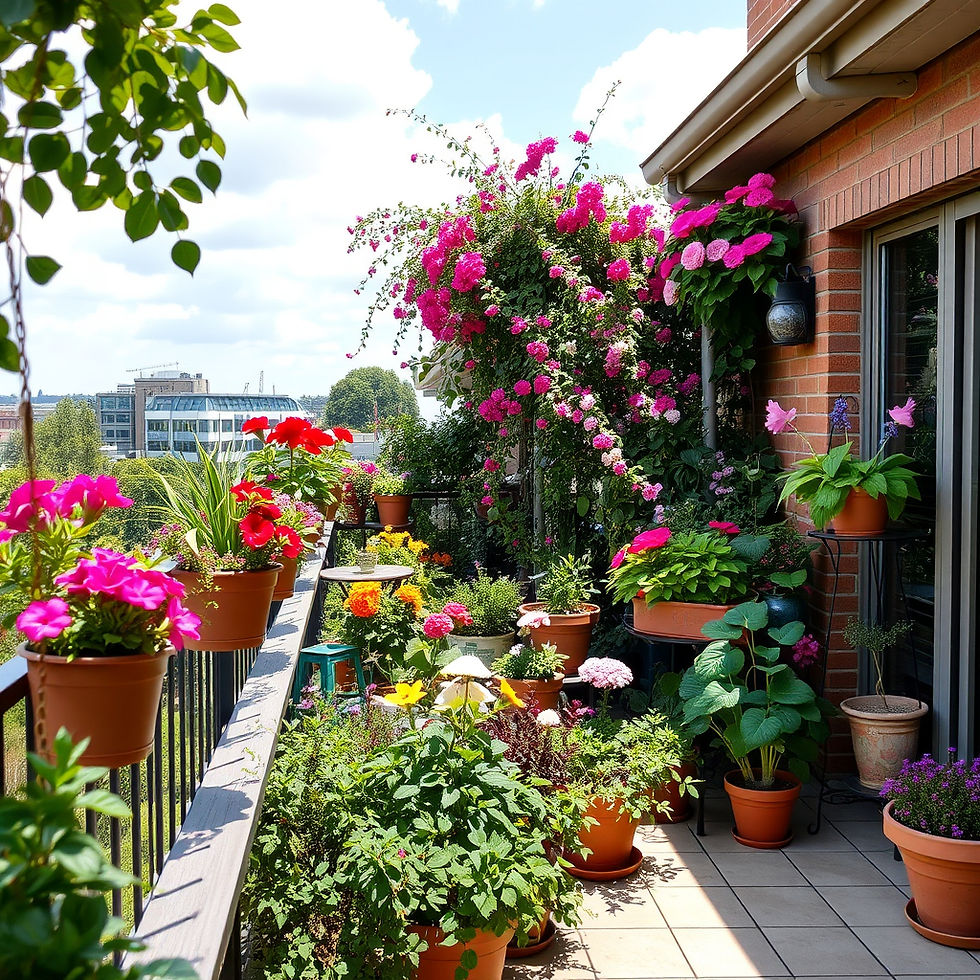
For home gardeners, especially those growing indoor plants, balcony gardens, or kitchen gardens, building healthy soil often produces better long-term results than simply increasing fertilizer inputs.
The Bottom Line
Chemical fertilizers can deliver quick results.
Organic fertilizers focus on creating healthy soil, supporting beneficial microorganisms, and promoting sustainable plant growth over time.
A thriving garden starts below the surface.
Healthy soil grows healthy plants.

Comments